Thermal convection remediation relies on thermodynamic mechanics rather than volatile chemical residues to resolve structural infestations. In mid-century housing stock across Highland View, Woodland, and Westwood,…
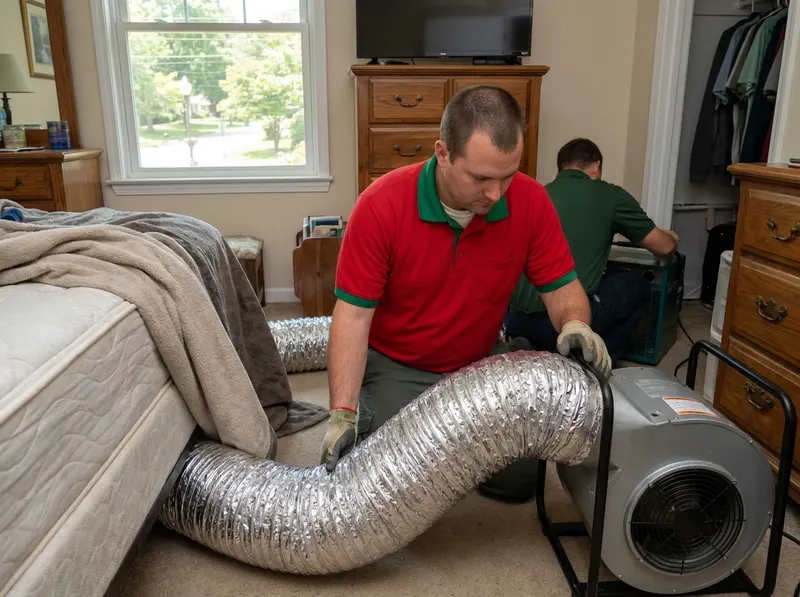
Thermal convection remediation relies on thermodynamic mechanics rather than volatile chemical residues to resolve structural infestations. In mid-century housing stock across Highland View, Woodland, and Westwood, settling hardwood and multi-layered drywall assemblies offer deep harborages that standard surface applications fail to penetrate. By placing high-output electric or indirect-fired heaters outside or within the perimeter and cycling heated air through high-velocity fans, internal structure temperatures reach the lethal thermal death threshold of 122°F. This heat bypasses mattress folds, baseboards, and subflooring directly into wall voids without dispersing synthetic pyrethroids into indoor air supplies, maintaining family and pet safety throughout the living space.
Selecting thermal convection balances total single-day remediation against localized application methods. While targeted liquid or desiccant dust treatments demand lower upfront costs, they require multiple follow-up visits spanning 30 to 60 days and depend heavily on insects crossing treated boundaries. Thermal convection treats the entire cubic air space in 6 to 8 hours, neutralizing heat-sensitive eggs in a single deployment. The operational trade-off centers on prep work: homeowners in Emory Valley, Briarcliff, and Country Club Estates must remove heat-sensitive items, including candles, oil paintings, prescription medications, pressurized canisters, and thin vinyl window blinds, prior to unit activation.
Structure type and environmental factors around Anderson County and Roane County influence heat retention and cycle intervals. Properties along Melton Hill Lake, Rivers Run, or Centennial Bluff frequently exhibit higher ambient indoor humidity, which absorbs thermal energy and requires precise convective fan placement to eliminate cold air pockets. Technicians place wireless temperature data probes within structural studs and heavy upholstery cushions to log lethal temperatures continuously. In multifamily properties near Scarboro, thermal barriers are actively monitored along party walls to ensure pests do not migrate outward before reaching lethal temperatures. Every service follows verified structural diagnostics, operating under an engineering-backed Integrated Pest Management framework to protect real estate equity without long-term chemical reliance.
Every job gets a firm, written price after a free on-site visit.
Tell us about your bed bug thermal convection remediation job in Oak Ridge and we'll send a clear, written quote, usually the same day.
 Norevia Pest Protection